Showing posts with label national poetry month. Show all posts

Thursday, May 12, 2022

Pablo Neruda Reading Passage


Pablo Neruda is such a controversial figure. People seem to either love him or hate him.

Either way, parents and teachers are looking for resources to study the poet. And these resources can be hard for a person to find. It seems like the online lesson plans come and go, but I just updated my post Pablo Neruda Lesson Plans, Videos, Books, and More. 

This post contains affiliate links.

Pablo Neruda Reading Worksheet

I have also gone ahead and adapted the one-page reading passage in my Hispanic Poets packet into a more lengthy, stand-alone activity. It is now available in my TpT store.

This is an age-appropriate short biographical intro to the poet, not the politician. 

It's best suited for students in 4th through 7th grade and is available in both English or Spanish - you choose the language that meets your needs. 

And, yes, it does include an 8-question quiz to test your student's comprehension. 

How to Use It

This reading passage may be:

  • assigned as homework, 
  • for an in-class assignment, 
  • as an activity for a sub,
  • as part of a larger lesson plan (see my post on Neruda lesson plans)

You can also have your students use it to:
  • read aloud to practice pronunciation in Spanish or English
  • create a story board
  • fill out a story map
  • write a summary
  • complete a K-W-L chart
  • create a timeline of Neruda's life
  • identify and define new vocabulary
  • find Chile on a map
  • write their own poem...in a different colored ink?
  • write a character analysis
  • complete a Venn diagram to compare/contrast Neruda with another poet

This reading passage would do well with studies about Neruda, Chile, poets, writers, literature, nature, Hispanic Heritage Month, historical figures, and more.

And if you are looking for a book that would pair nicely with this introduction, I recommend:


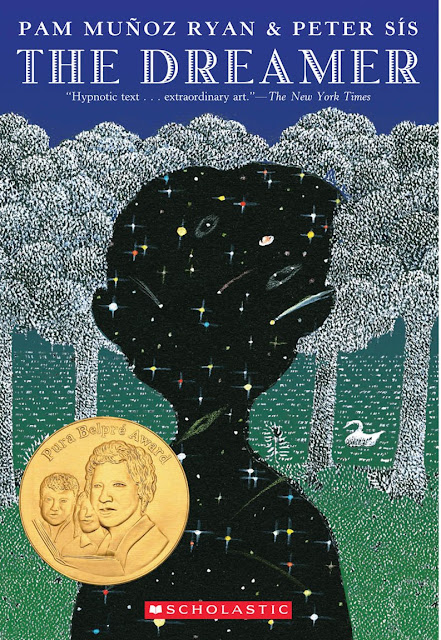
The Dreamer by Pam Munoz Ryan and Peter Sis. It's also available in Spanish: El soñador


Other Posts You May Enjoy:


Monday, April 19, 2021

Hispanic Poets: One-Page Reading Passages

 Hispanic Poets: One-Page Reading Passages

So much going on this week! Earth Day, Save the Frogs Day, and more.

But first, a reminder that we are in the middle of National Poetry Month. I already shared a reading passage for our former U.S. Poet Laureate, Juan Felipe Herrera. 

Today, I wanted to share this packet of notable Hispanic Poets from around the world. 

It features seven remarkable and prolific poets in world history. They are:

  1. Pablo Neruda
  2. Gabriela Mistral
  3. José Martí
  4. Julia de Burgos
  5. Sor Juana Inés de la Cruz
  6. Federico García Lorca
  7. Juan Felipe Herrera
This comprehensive packet is very similar to my 10 Latinas in History and Afro-Latinos in History packets. Each poet featured in a one-page reading passage and includes a multiple choice comprehension quiz. 

There are additional review sheets and pages for researching and essay writing. There is also a recommended reading list of children's books that feature each poet. The packet is 41 pages in all. 

At this moment, it is only available in English. A Spanish version will be made available this summer.

So if you're looking for a resource to celebrate National Poetry Month in a way that examines poets who are often overlooked in most poetry lessons, I hope you give this a try.

Other Posts You May Enjoy:


I also recommend the Highlights Book of Things to Write. It includes over 175 creative writing topics for kids, open-ended questions, games, activities and more.

Open-ended writing prompts invite kids to explore their world. Word games, writing tips and how-to’s show them new ways to put their thoughts into words. They’ll also explore how to create characters, write short stories, try out various styles of poetry, write about the things they care about, and so much more.

Monday, April 29, 2019

5 Redacted Poetry Resources


With redactions in the spotlight, I thought it would be fun to share (in honor of National Poetry Month) the following Blackout Poetry resources.

This is a fabulously fun way to explore and create poetry! Have you ever tried it? 

This post contains affiliate links.

What is Blackout Poetry?


Blackout Poetry is when you take a previously written work and you change it through redaction or art to highlight specific words or phrases to create your own poem.

The previously written work forms the foundation of this type of poetry. We strongly recommend old books that are falling apart and ready to be recycled. But you can also use newspapers, magazines, catalogs, instruction manuals, pamphlets - really ANYTHING that has text.

There are many creative ways to make this type of poem. One way is by simply taking any written material and you choose words to create your own poems....then you mark out the rest! 

Videos on Blackout Poetry


Or, if you are an artist and poet (like Picasso!), then you can create more colorful, fluid versions. Check out this video:


Here are a few other videos you may like:

Articles & Lesson Plans


TeachKidsArt has a wonderful article with examples of artistic blackout poetry, too. 

And if you are looking specifically for a lesson plan, Just Add Students has this fabulous one.


Books


Below are a couple of book suggestions for Blackout Poetry. I tried to choose books that use classic works or political texts so we don't have to worry about inappropriate content for kids. However, I have not read all of these, so as with all book or website recommendations, always check it out before your kids/students do!

Redaction at its best. 😂


Other Posts You May Enjoy:


Thursday, April 25, 2019

Poets Around the World


Did you know that April is National Poetry Month? What a perfect opportunity to re-introduce your children to the beautiful world of poetry! I say re-introduce because they probably first learned about poetry as babies when you read them nursery rhymes or sang them lullabies. But somewhere along the way, poems may have gotten lost in your child's reading repertoire.

And to help your child explore this often neglected genre, Multicultural Kid Blogs has created this wonderful activity pack on Poets Around the World!  This unique packet of reading passages features 18 poets from around the globe. They are all famous in their country or region, and most of them are recognized around the world for their poems that reflect their culture or that highlight the shared human experience.

I think MommyMaestra readers will especially love the five Hispanic poets that are featured. They are:

  • Julia de Burgos,
  • Sor Juana Inés de la Cruz,
  • Federico García Lorca,
  • José Martí,
  • and Gabriela Mistral.

Best suited for kids ages 8 and up, your children or students can travel the world through time and history learning about remarkable people. Some lived a long time ago, and some are living today.


The English-only packet has a one-page reading passage for each poet that describes their life, followed by a set of comprehension questions. In addition, we have included comprehension worksheets that boost vocabulary, writing, and critical thinking skills. An introduction to different types of poetry and poetry activities, as well as a recommended reading list for further research, finish up this packet.


The best part is that this is a no-prep, print-and-go download that you can immediately access after purchasing.

I am so happy to have contributed to this incredible unit, along with The Piri-Piri Lexicon and Kid World Citizen

You can find this remarkable packet on the MKB website or in their TpT store.

Monday, April 16, 2018

6 Children's Books that Feature Latino Poets

A few days ago, I recommended three books of Spanish poetry for children in honor of National Poetry Month. This week, I'm sharing six children's biographies featuring Hispanic poets.

This post contains affiliate links.


by Emma Otheguy

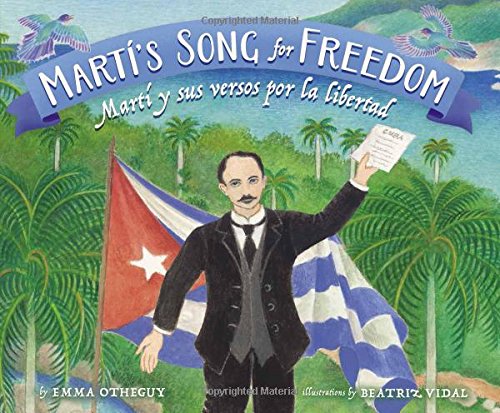
This is the most recently released picture book featuring a Latino poet, and it is a beautiful tribute to the Cuban poet and activist, José Martí. Beautifully written, it is the story of Martí's life, how and why he left Cuba and his subsequent fight for Cuba's independence. With gorgeous illustrations by Beatriz Vidal, the book also includes excerpts from Marti's most famous work, Versos sencillos. 
Ages 7-12


by Monica Brown

Another remarkable picture book whose illustrations are poetry in and of themselves, Pablo Neruda: Poet of the People is a tribute to the Chilean poet. He, too, was passionate about his country and served as a diplomat and a senator. But he was outspoken about its people and his criticism led to his becoming an activist and, eventually, a fugitive. 
Ages 7-12


by Monica Brown

Another Chilean poet, Gabriela Mistral was a passionate supporter of children's education. In 1945, she became the first Latin American author to receive a Nobel Prize in Literature for her poetry. This book is the lovely story of her life and an inspiration to all who read it.
Ages 7-12


by Pat Mora

Sor Juana Inés de la Cruz was a 17th-century nun, self-taught scholar, and poet.
Her poetry is recited by schoolchildren throughout Mexico and is studied at schools and universities around the world. Here is the story of her life, an incredible one full of knowledge, achievement, and inspiration.
Ages 7-12


FOR OLDER CHILDREN:


by Margarita Engle

For tweens and teens, this book is a close look at the life of Cuban poet, Juan Francisco Manzano. Born into the household of a wealthy slave owner in Cuba in 1797, Juan Francisco Manzano spent his early years by the side of a woman who made him call her Mama, even though he had a mama of his own. Denied an education, young Juan still showed an exceptional talent for poetry. His verses reflect the beauty of his world, but they also expose its hideous cruelty. Powerful, haunting poems and breathtaking illustrations create a portrait of a life in which even the pain of slavery could not extinguish the capacity for hope.
Ages 12-18


by Margarita Engle

Opposing slavery in Cuba in the nineteenth century was dangerous. The most daring abolitionists were poets who veiled their work in metaphor. Of these, the boldest was Gertrudis Gómez de Avellaneda, nicknamed Tula. In passionate, accessible verses of her own, Engle evokes the voice of this book-loving feminist and abolitionist who bravely resisted an arranged marriage at the age of fourteen, and was ultimately courageous enough to fight against injustice. Historical notes, excerpts, and source notes round out this exceptional tribute.
Ages 12-15


Other Posts You May Enjoy:


Thursday, April 5, 2018

3 Books of Spanish Poetry for Children

Did you know that April is National Poetry Month? Over the years, I've shared a few poetry resources with you, such as 10 Latino Poets Your Children Should Know and 7 Books to Help Celebrate National Poetry Month. But I was thinking about how often I get emails asking for Spanish poems or places to find Spanish poems that children can memorize and recite in school. Here are the books that I recommend to everyone!

This post contains affiliate links.


by Mariana Llanos

A beautifully written and illustrated collection of Spanish poetry for children. The poems are about topics to which children can relate - the seasons, the ocean, ice cream cones, reading, animals, clouds, and many others. And it features whimsical black-and-white illustrations by seven artists. A definite must-have for all school and family libraries.

Read more about this book and take a peek inside in my book review.


by F. Isabel Campoy

One of my favorite authors, F. Isabel Campoy has created a lovely book of poetry for young readers. There are 107 poems for you to choose from and they are all about topics that children love, such as family, animals, imagination, the world around us, and more.


by Alma Flor Ada

The other half of my favorite writing duo for children, Alma Flor Ada has put together a huge collection of poems for children to enjoy. Teachers will love how this is organized by curriculum themes such as the parts of the body, numbers, vowels, food, nature, etc. This anthology is perfect for students and teachers looking for short, medium, or long poems to memorize and recite.

Friday, April 21, 2017

Poesía Alada: poesía y arte para volar

Poesía Alada: poesía y arte para volar
Did you know that April is National Poetry Month? When my kids were little, poetry was a regular part of our reading routine. I still love incorporating poetry into my children's homeschool lessons from time to time. It has so many benefits!

For younger children, poetry helps boost their vocabulary and develops their sense of rhythm and language skills. Rhymes and rhyming improve reading, writing, and spelling.

For older children, poems help with memorization and teach children to look for deeper meanings within a text. They also learn patterns of speech and how words can be used in multiple combinations to create new meanings.

Poetry has value...in ANY language.

So today, I'm excited to share with you a new poetry title from author Mariana Llanos. And this one is completely in Spanish!

Poesía Alada: poesia y arte para volar (aff link) is a beautifully written and illustrated collection of Spanish poetry for children. Mariana has written many wonderful children's books, some of which I've reviewed here on MommyMaestra. But this is her first book of poetry. It is also the first book she's written originally in Spanish.

And I love them all. Because for some reason, they seem to transport me back to my own childhood, which was full of Spanish dichos, poesía, and rimas tradicionales. So, naturally, I feel this should be a must-have for bilingual family home libraries!

Here's a sample. This is the poem for which the book is named...

Poesía Alada


Poesía es cuento
y canción con alas.
Poesía es locura
que brota del alma.
Poesía es música
que ilumina al alba.
Poesía son letras 
que forman baladas.
Poesía es el trinar
de aves en la mañana.
Poesía es el rayo 
tierno del sol.
Poesía surge
revuelve y embala.
Poesía descansa
aprieta y arranca.
Poesía vive y respira,
despojada de toda razón.
Poesía se acurruca
en un rinconcito del corazón.


Beautiful, no?

The poems are about topics to which children can relate - the seasons, the ocean, ice cream cones, reading, animals, clouds, and many others.

Poesía Alada: estaciones


Another unique feature of this book is the black-and-white illustrations. Seven artists (including the author) have created drawings to accompany each of the 27 poems. The whimsical images enrich the poems for young minds. Personally, I plan to use this like a workbook and let my children color in the images.

Poesía Alada: Chaclacayo

Mariana has also included a note at the end of the book describing her lifelong love of poetry; how it started and its impact on her life.

This book is a new release, just published this month. I highly recommend it to read to both younger and older children alike.

Poesía Alada: poesia y arte para volar can be ordered on Amazon.

And remember, Mariana is an enthusiastic educator and writer. She visits schools around the world through virtual technology to encourage children to read and write. She offers many free author-Skype opportunities for teachers . The Skype visits are designed around four different lesson plans that last about 45 minutes. Wouldn't that be a fun class to do at the end of the year with your students?

Wednesday, April 2, 2014

7 Books to Help Celebrate National Poetry Month


April is National Poetry Month! Poets, teachers, libraries and booksellers are ready to encourage poetry to the young and old. Throughout the country, poetry will take center stage in order to bring more attention to this literary art. Here at Mommy Maestra, we are ready to acknowledge the importance of poetry in our American culture. We celebrate authors and poets of all backgrounds and have compiled a list of suggested books to help you teach poetry in your classroom and at home.

Here are 7 books to help you celebrate National Poetry Month. Enjoy!

Poetry for Young People: Maya Angelou, Introduction by Dr. Edwin Graves Wilson
The first living poet to be included in this series, Maya Angelou showcases 25 poems to potential readers as young as eight years old. Every child should know poetry from this award-winning author, playwright, poet and legend.

Guyku: A Year of Haiku for Boys by Bob Raczka
One of our favorite books, Guyku is as fun as it sounds. An introductory book to Haiku, the Japanese poetry form, is also a favorite of reluctant boys who believe poetry is for girls. This book begs to differ!

Pablo Neruda: Poet of the People by Monica Brown
A children's book about one of the best poets of the 20th century, this biography of Pablo Neruda is perfect for children of all ages. Both Pablo Neruda and Monica Brown are a pride of Latino literature and this is a must for every child's bookshelf.

Here's a Little Poem: A Very First Book of Poetry by Jane Yolen
A fantastic collection of over 60 poems for the youngest of readers. Jane Yolen has compiled works from the greatest poets of all time. Margaret Wise Brown and Langston Hughes are a couple of our favorites and we are thrilled they are included in this great anthology.

An Honest Boy, Un hombre sincero by Magdalena Zenaida
Based on the Cuban author, poet, teacher and revolutionary, this story of Jose Marti, describes how one's personal views on life, no matter the issue, can be described with such beautiful words.

Where the Sidewalk Ends by Shel Silverstein
A classic! Where the Sidewalk Ends is timeless, the poems are hilarious and the illustrations are captivating. Not only is Shel Silverstein one of America's most beloved poets, his books are considered the best in children's literature.

Hip Hop Speaks to Children: A Celebration of Poetry with a Beat by Nikki Giovanni
An anthology that includes lines and rhymes from famous hip hop and rap artists like Kanye West to historical heroes like Martin Luther King Jr. Children will be able to listen (CD included!) and learn that poetry is literally everywhere.


Other Posts on Poetry You May Enjoy:


--------------------------------


Betty Galvan, is writing "for smart and stylish moms" over
at My Friend Betty Says... 
She is the mother of three beautiful boys.

Monday, April 9, 2012

10 Latino Poets Your Children Should Know

10 Latino Poets Your Children Should Know
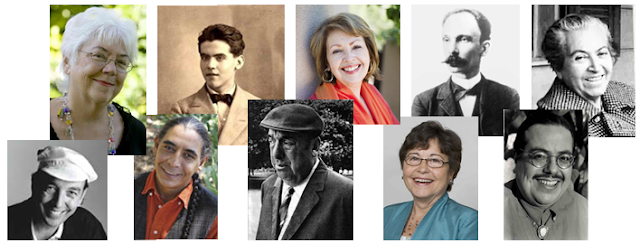
Top: Alma Flor Ada, Federico García Lorca, Pat Mora, José Martí, Gabriela Mistral
Bottom: Jorge Luján, Pablo Neruda, Isabel F. Campoy, Francisco X. Alarcón

Did you know that April is National Poetry Month? Since we're celebrating literacy and children this month here on MM, I thought it would be nice to share with you a short list of Latino poets your children should know. Do you see your favorite poet listed here? If not, please add them in the comments section so we can all benefit.

This post contains affiliate links.

10 Hispanic Poets for Children


Pablo Neruda
Pen name of the famous Chilean poet and diplomat, Neftalí Ricardo Reyes Basoalto, who always wrote in green ink because to him it symbolized hope. His life is a beautiful story in itself, and is best introduced to children via the children's biography written by Monica Brown, Pablo Neruda: Poet of the People. (Psst! It's also available in Spanish!)


Gabriela Mistral
Another Chilean poet, Gabriela Mistral is also a pen name. Her real name was Lucila de María del Perpetuo Socorro Godoy Alcayaga! In addition to being a poet, Mistral was also an educator, diplomat, and feminist. She was the first Latin American writer to receive the Nobel Prize for Literature. Deeply committed to education, she traveled all over the world in an effort to improve schools. Inspired by her travels, Mistral published more than 30 collections of poetry during her lifetime. Children will enjoy her story, My Name is Gabriela/Me llamo Gabriela: The Life of Gabriela Mistral/la vida de Gabriela Mistral, also written by Monica Brown.


Marti's Song of Freedom

José Martí
The Cuban poet and political activist was a national hero. Dedicated to liberty and democracy, he fought for Cuba's independence, and even published his own newspaper, Patria. Perhaps one of his most famous poems for children is Los zapaticos de Rosa. If you'd like to introduce him to your children, check out the book Marti's Song of Freedom by Emma Otheguy.


Federico García Lorca
The Spanish poet who achieved fame as the member of the Generation of '27, an influential group of 10 authors who expressed themselves through avant-garde forms of art and poetry. There are a number of Spanish books for children written by Lorca, but few have been translated into English. The Cricket Sings by Federico Garcia Lorca, Maria Horvath and Will Kirkland is one. But if your family is comfortable with Spanish, your children may enjoy Federico Garcia Lorca (Cuando Los Grandes Eran Pequenos/ When the Grown-Ups Were Children) by Georgina Lazaro.


A Movie in My Pillow by Jorge Argueta

Jorge Argueta

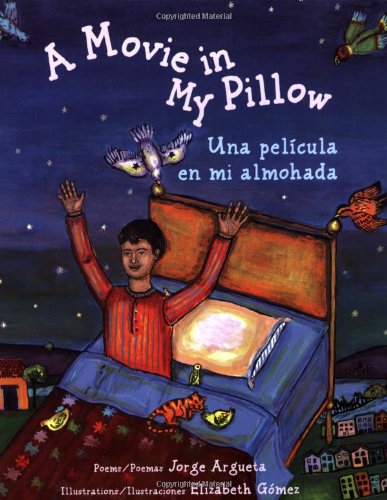
A Salvadoran poet and writer whose first collection of bilingual poems for children, A Movie in My Pillow, won the America's Book Award. Argueta's cultural ties are reflected in his books for children, and he has recently launched a series of cooking poems based on traditional Latin American dishes.


Alma Flor Ada & Isabel F. Campoy
Incredible writers individually, Ada and Campoy have frequently collaborated to create some of the finest bilingual poetry and other materials for children. One of their greatest contributions is Música Amiga, a 10 volume set that uses the power of music and poetry to build literacy.


Jorge Luján
An Argentine writer who has created numerous poems for children. In 1995, he received the Poetry for Children Prize from the Asociación de Literatura Infantil y Juvenil Argentina. Perhaps one of his most popular books is Con el sol en los ojos / With the Sun in My Eyes, a collection of short poems in English and Spanish.  


Pat Mora
A Mexican American poet, writer, and children's literacy advocate, Mora's most significant achievement may be the establishment of Día de los niños, Día de los libros, a holiday celebrated by schools, libraries, and families across this country on April 30th. A prolific writer, Mora's most popular book at this time of year is Book Fiesta!: Celebrate Children's Day/Book Day; Celebremos El dia de los ninos/El dia de los libros.


Francisco X. Alarcón
A poet and educator, Alarcón is a three-time winner of the Pura Belpré Author Award Honor for his bilingual Magical Cycle of the Seasons series of poetry for children. A Mexican American author, Alarcón writes poems that reflect the lives of Latino children in the United States. Take a look at his book, Laughing Tomatoes: And Other Spring Poems / Jitomates Risuenos: Y Otros Poemas de Primavera.


Hispanic Poets: 1-page reading passages


Other Posts You May Enjoy:


Items I Recommend for Nurturing Young Poets:


For bilingual poets, my favorite resource is this Magnetic Poetry Kit in Spanish! The words easily fit on any refrigerator and your kids can create poetry whenever the mood strikes them. 


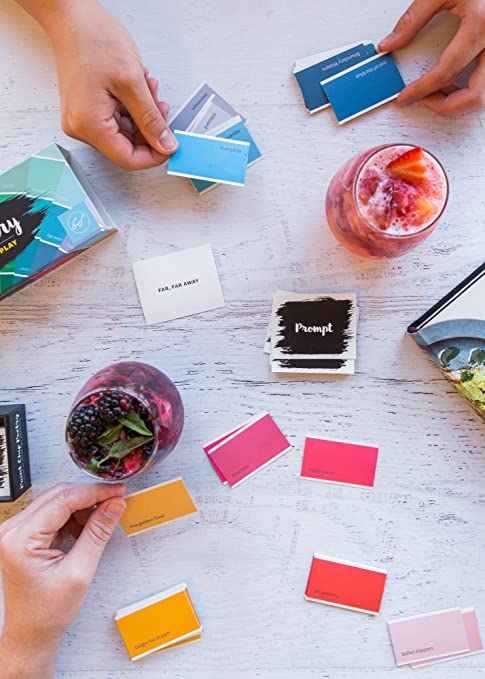
I also love this Paint Chip Poetry Game that was created by author Lea Redmond. Players draw handfuls of paint chips and a prompt card, then rearrange the chips to create spontaneous poems out of the color names.


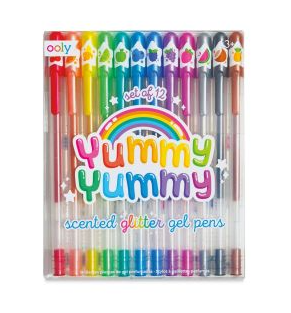
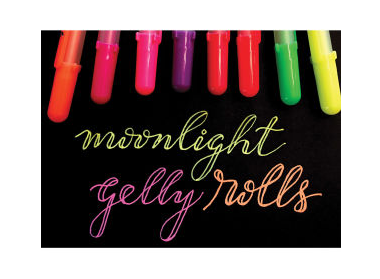
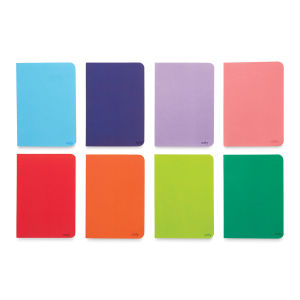
And for young creative writers who look for inspiration everywhere, here are some of the bold and colorful pens and journals that my kids enjoy:


LinkWithin

Related Posts Plugin for WordPress, Blogger...